The ride up
Kotor Cable Car
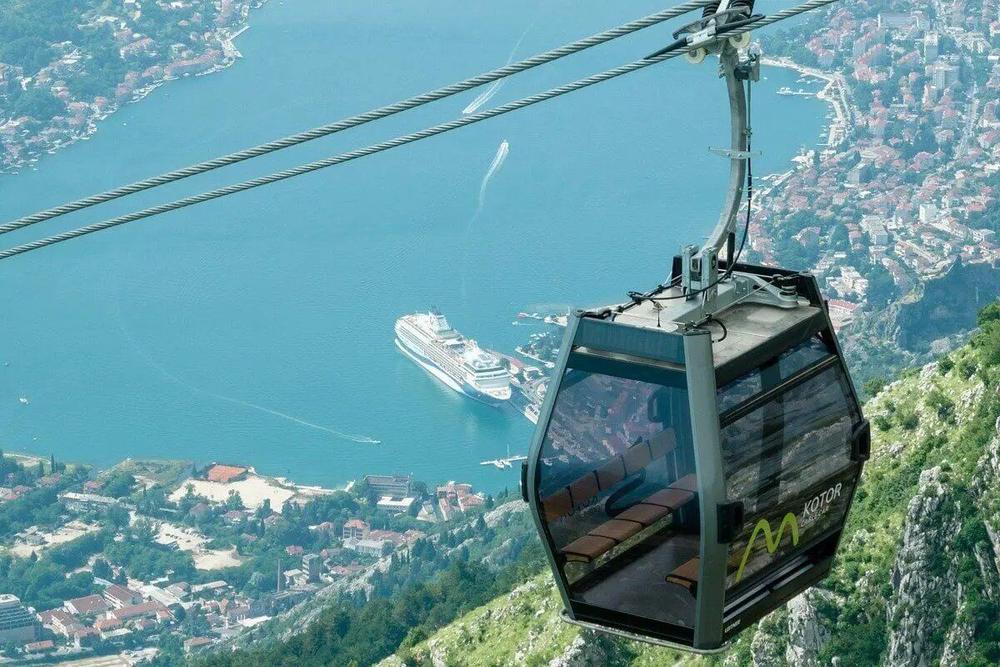
From Dumidran near Kotor up to Kuk on the Lovćen slopes — a glass-cabin climb with the whole bay opening up beneath you. The quickest way from sea level to the mountaintop, and a sight in itself.
A guide to Boka Kotorska · Montenegro
From Kotor's stone walls to Perast's quiet churches — plan the roads, the boats, and the stops in between.
A fjord-like bay folded into the mountains, where every town was built facing the water.
Around the bay
Follow the coast road from the Adriatic entrance to the inner bay — or start wherever the ferry drops you.
Fortress town at the bay's mouth, palm-lined and first to catch the sun.
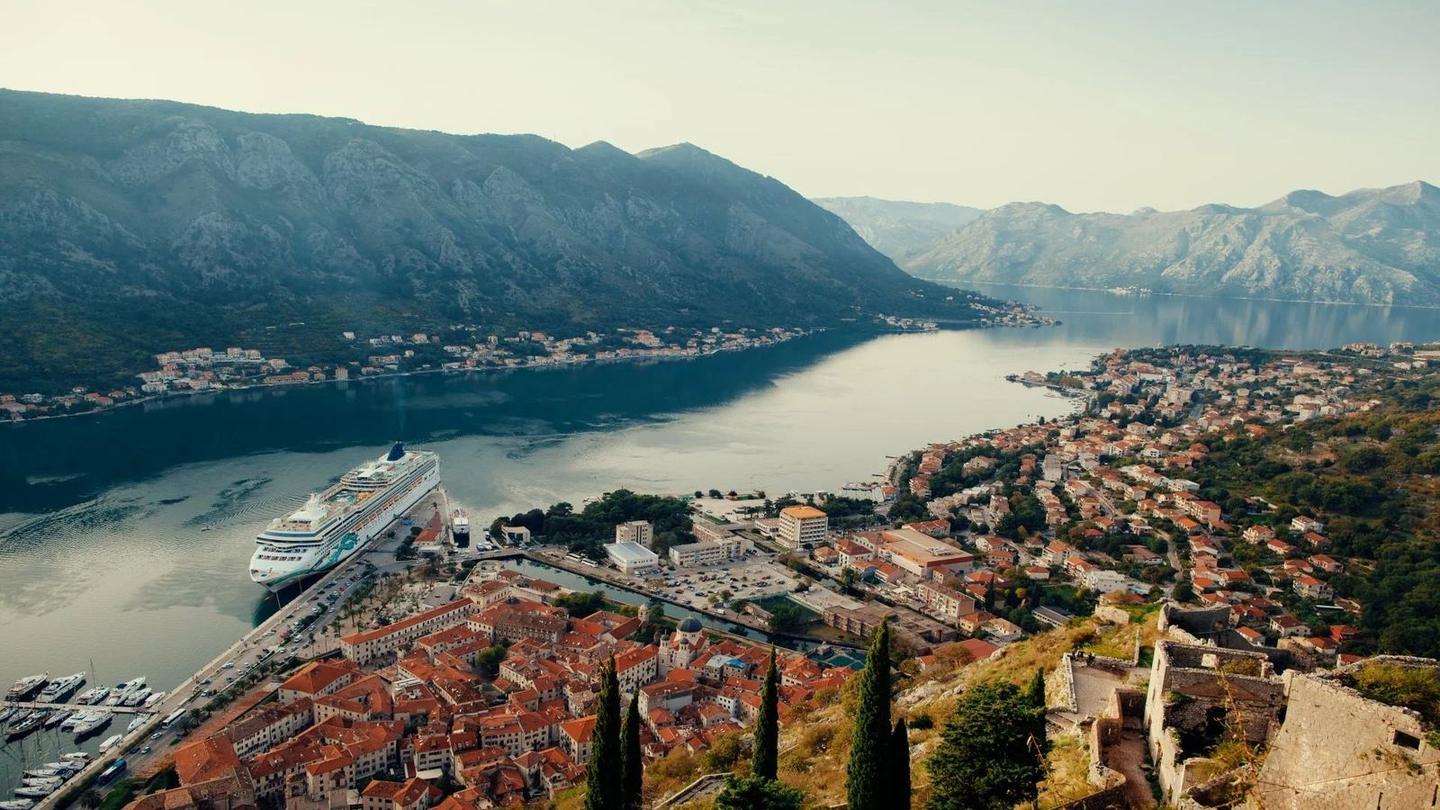
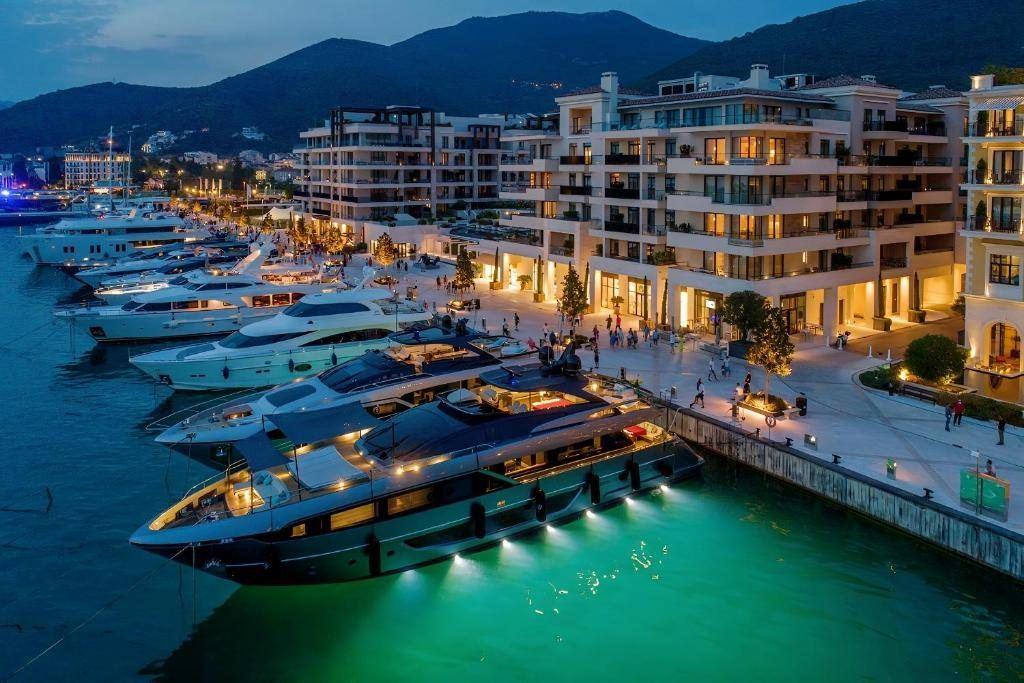
The gateway to Boka, stacked up the hillside in stone stairways and shaded squares. Its fortresses tell the whole story — Ottoman-built Kanli Kula crowning the town, Forte Mare guarding the water's edge, and Španjola looking out over the entrance to the bay. Down at sea level, the Pet Danica promenade runs for kilometres past cafés, beaches and old bathing spots, while Savina Monastery sits quietly in the greenery above. Just along the coast at Kumbor, Portonovi has added a superyacht marina and resort village — the polished, modern face of this end of the bay.
The bay's oldest settlement, with Roman floor mosaics still under an olive grove.
The most ancient town in Boka, settled long before Kotor or Perast rose to prominence. Its treasure is a set of Roman floor mosaics — remarkably intact after nearly two thousand years — including a rare depiction of Hypnos, the god of sleep. Quiet and unhurried, Risan is where the bay feels closest to its deep past, tucked into the innermost curve of the Risan fjord.
Seventeen Baroque palaces and a harbor built by sea captains, not developers.
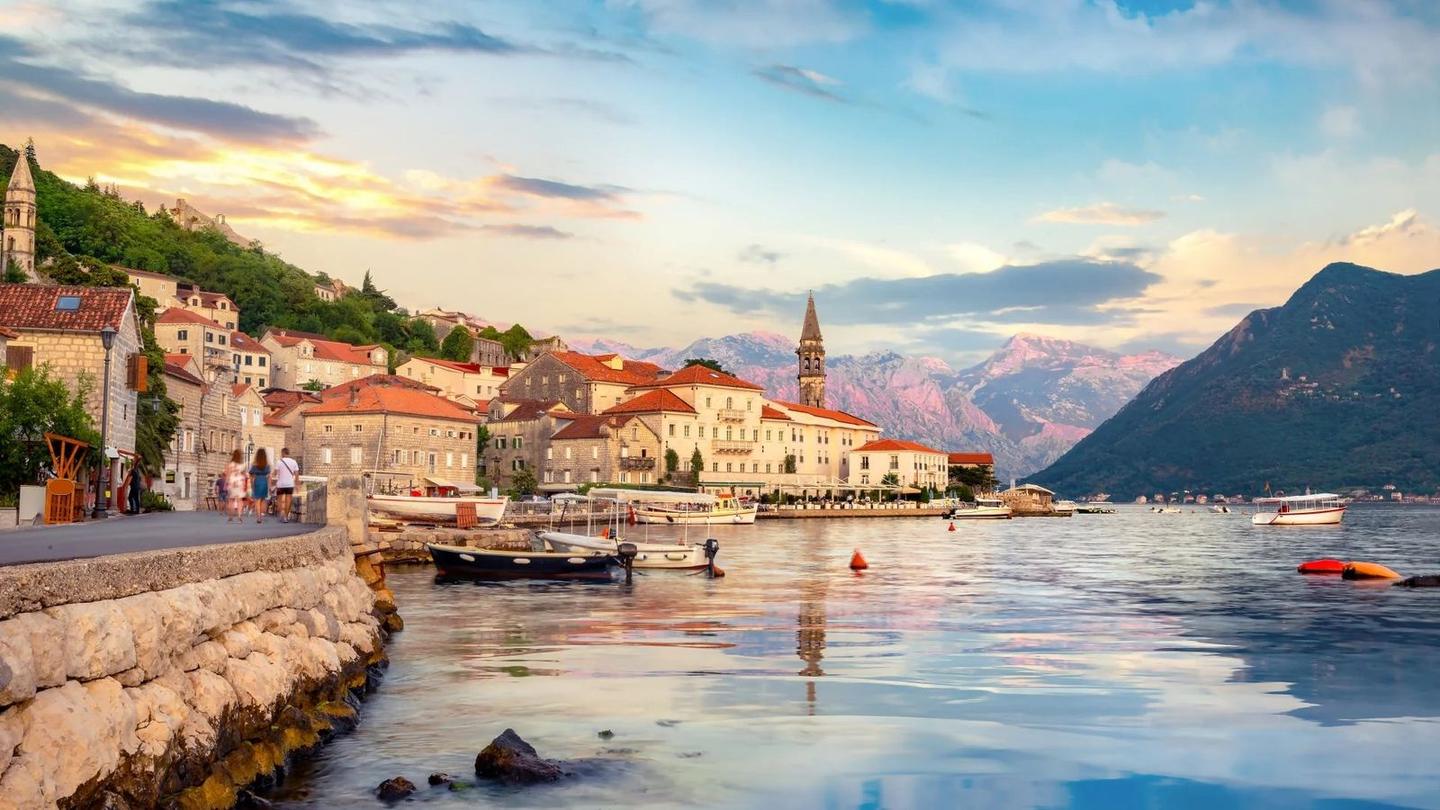
A single stone waterfront of seventeen Baroque palaces and sixteen churches, all built on the fortunes of Perast's famous sea captains. There are no cars in the centre and barely a modern building in sight — just the tall bell tower of St Nicholas, the long quay, and the two islands floating just offshore. It is the most photographed village in the bay, and the launch point for boats out to Our Lady of the Rocks.
An artificial island built stone by stone — one boat trip at a time, for centuries.
The only man-made island in the Adriatic, raised by local sailors who dropped rocks and sank old ships on the spot for more than five centuries. On it stands a blue-domed church filled with silver votive plaques and a famous embroidery stitched over 25 years using the maker's own hair. Its natural twin, the cypress-covered island of St George, sits just beside it — visited only by boat, and unforgettable at first sight.
Venetian walls climbing 260 metres straight up the cliff behind it.
The UNESCO-listed heart of the bay — a maze of medieval lanes, squares and churches behind Venetian walls that climb the cliff to San Giovanni fortress — 1,350 steps up. Inside are the 12th-century Cathedral of St Tryphon, the Maritime Museum in a Baroque palace, the landmark Clock Tower, and cafés tucked into every corner. Above it all, the serpentine road twists up toward Lovćen for the most famous view in Montenegro.
A shoreline of sea-captains' villas, quiet even at the height of summer.
A long, thin ribbon of a town stretching north from Kotor along the water, lined with the villas and private chapels of old seafaring families. There's no real centre — just a shoreline path, stone piers reaching into the bay, and some of the calmest swimming spots around Kotor. It's where you come to slow down, with the fortress walls always in view across the water.
Baroque church domes and a promenade built for slow evening walks.
A peaceful old maritime village across the water from Kotor, dominated by the grand domed church of the Birth of Our Lady — huge for such a small place, and a reminder of how wealthy its captains once were. The seafront promenade is made for unhurried evening strolls, and the head-on views back toward Kotor and its mountain backdrop are among the best in the bay.
Superyacht marina, mountains behind it, and the bay's newest waterfront.
The bay's modern showpiece, transformed by Porto Montenegro — a superyacht marina wrapped in boutiques, restaurants and the Naval Heritage Collection, where you can step inside a real submarine. Beyond the glamour, Tivat keeps its softer side: the Pine seafront promenade, the largest botanical park on the south Adriatic, the Solila bird reserve, and the stone village of Gornja Lastva on the hill above. Nearby Luštica Bay adds another new marina town facing the open sea.
Landmarks
The bay splits into three municipalities, each with its own character — medieval Kotor, maritime Tivat, and Herceg Novi guarding the entrance. Pick a side to start.
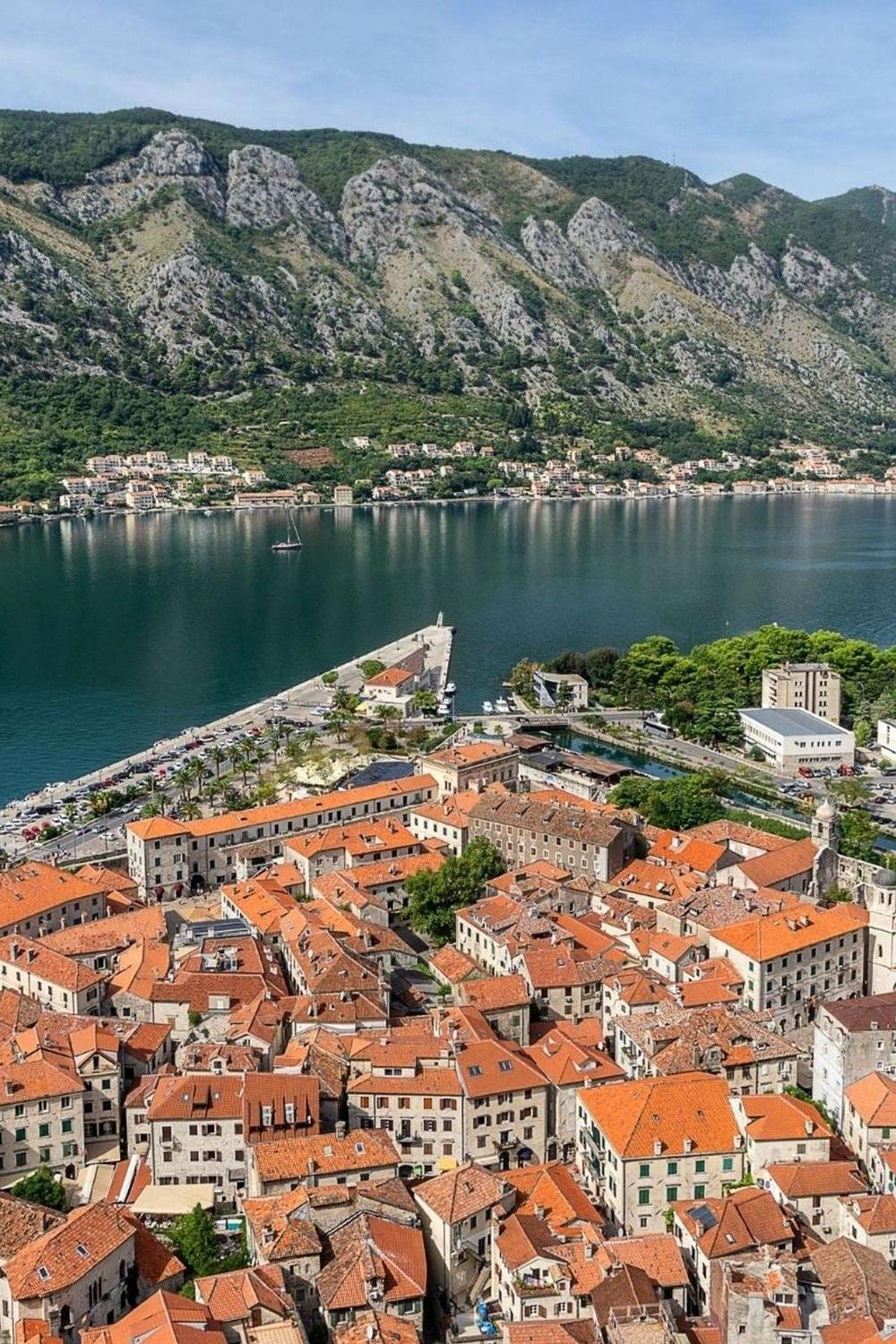 Kotor · Old town beneath the walls
Best view · San Giovanni fortress & the Kotor serpentines
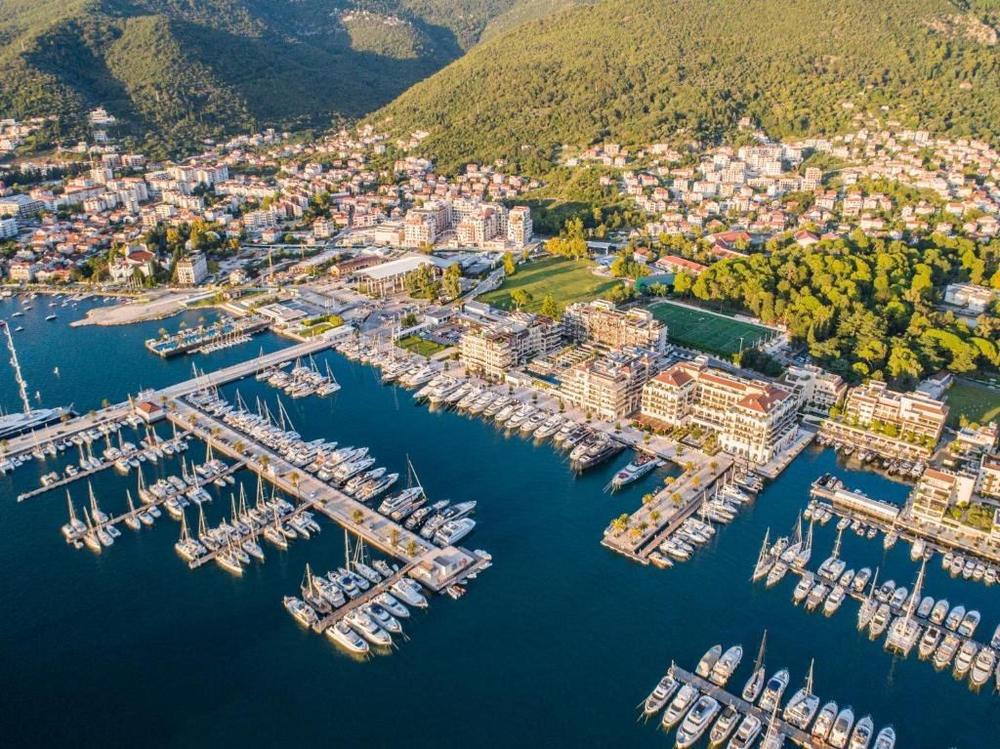 Tivat · Porto Montenegro from above
Best view · Gornja Lastva over Porto Montenegro
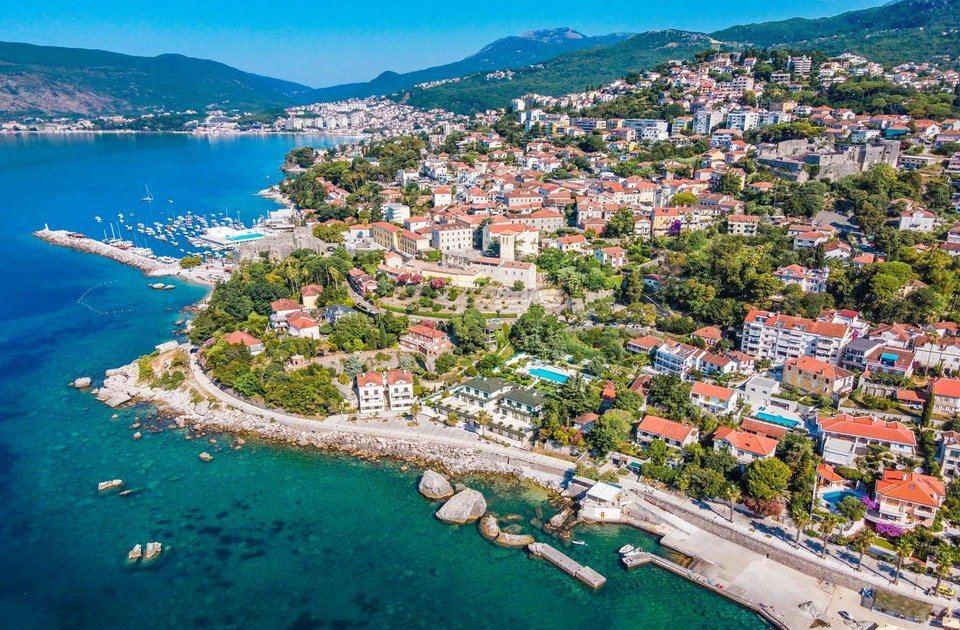 Herceg Novi · Old town & marina
Best view · Španjola above the bay entrance
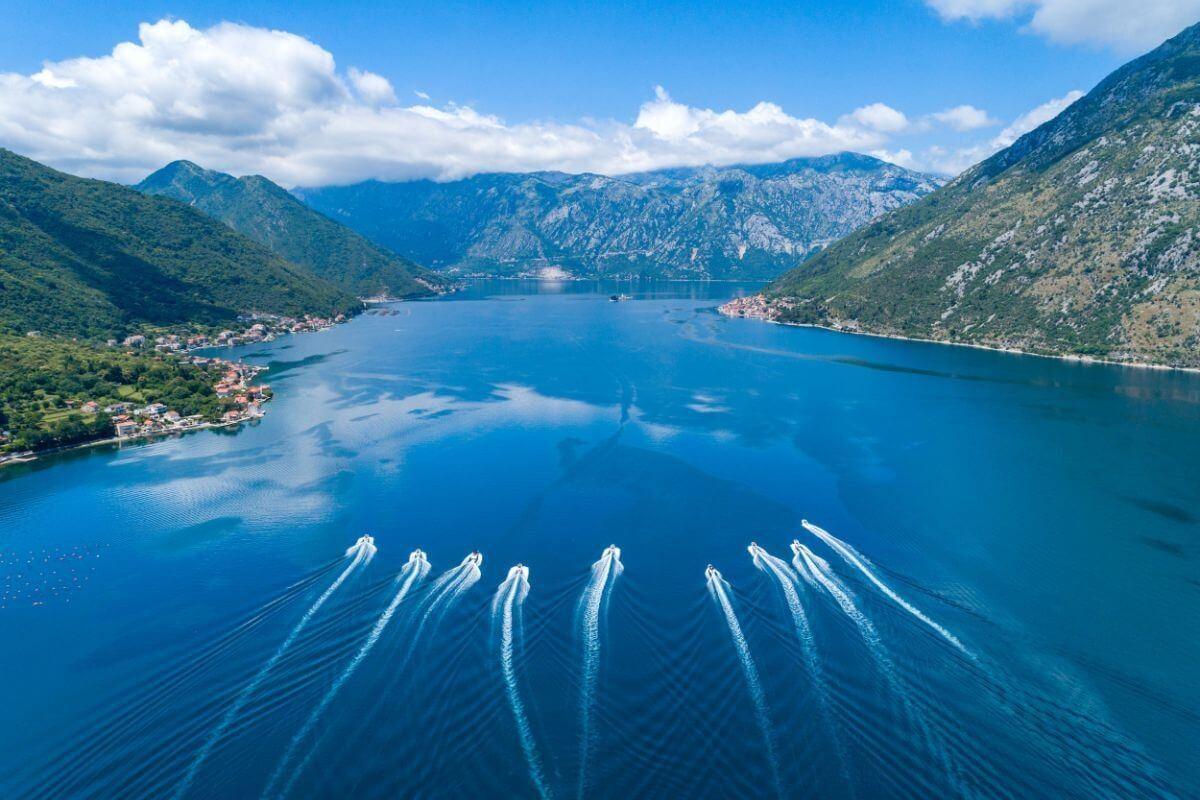
Boat tours
Half the bay only shows itself from the water — the slow approach to Our Lady of the Rocks, the Blue Cave, Mamula, and the coves you can't reach by road.
Car & scooter rentals
The coast road folds around every inlet, and the hills above it fold twice as much. A scooter keeps you nimble in town; a car opens up the whole bay and the mountains behind it.
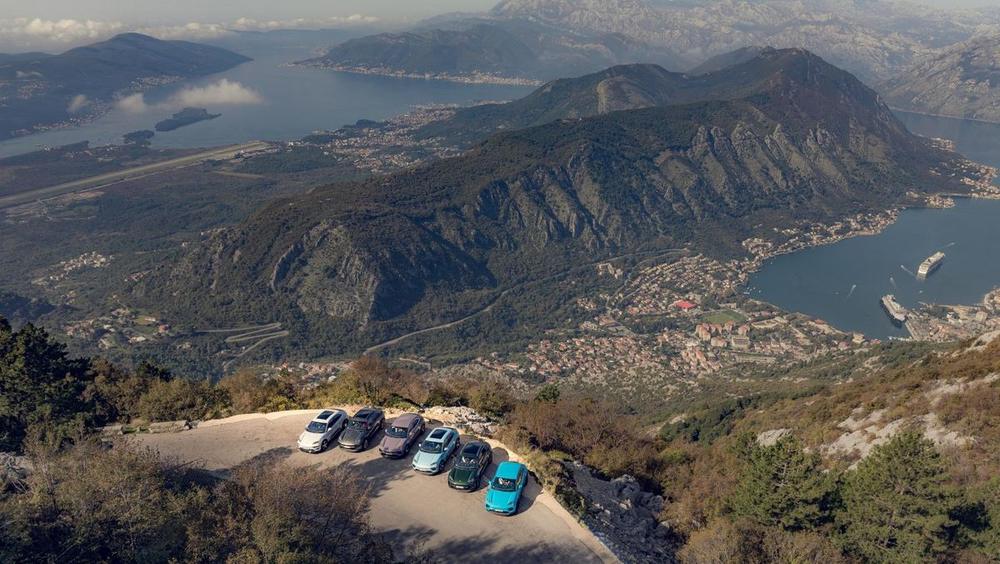
A car turns the bay into a base camp. The best of Montenegro — Lovćen, Njeguši, the Kotor serpentines — sits just beyond the coast road, and only a car gets you there and back in a day.
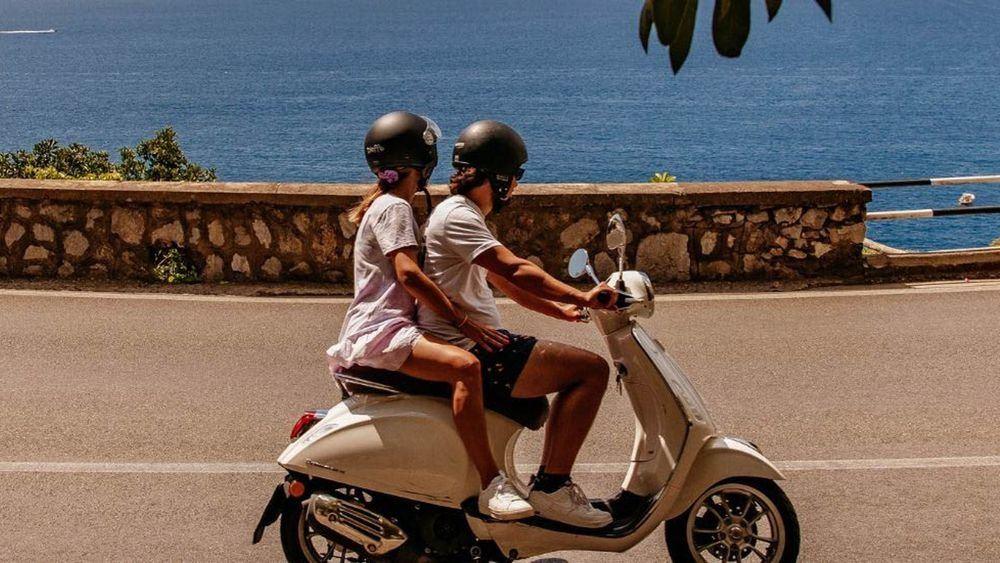
In July and August the coast road crawls — a scooter is the local's shortcut. It slips past the queues, parks where a car never could, and turns the short hops between towns into the best part of the day.
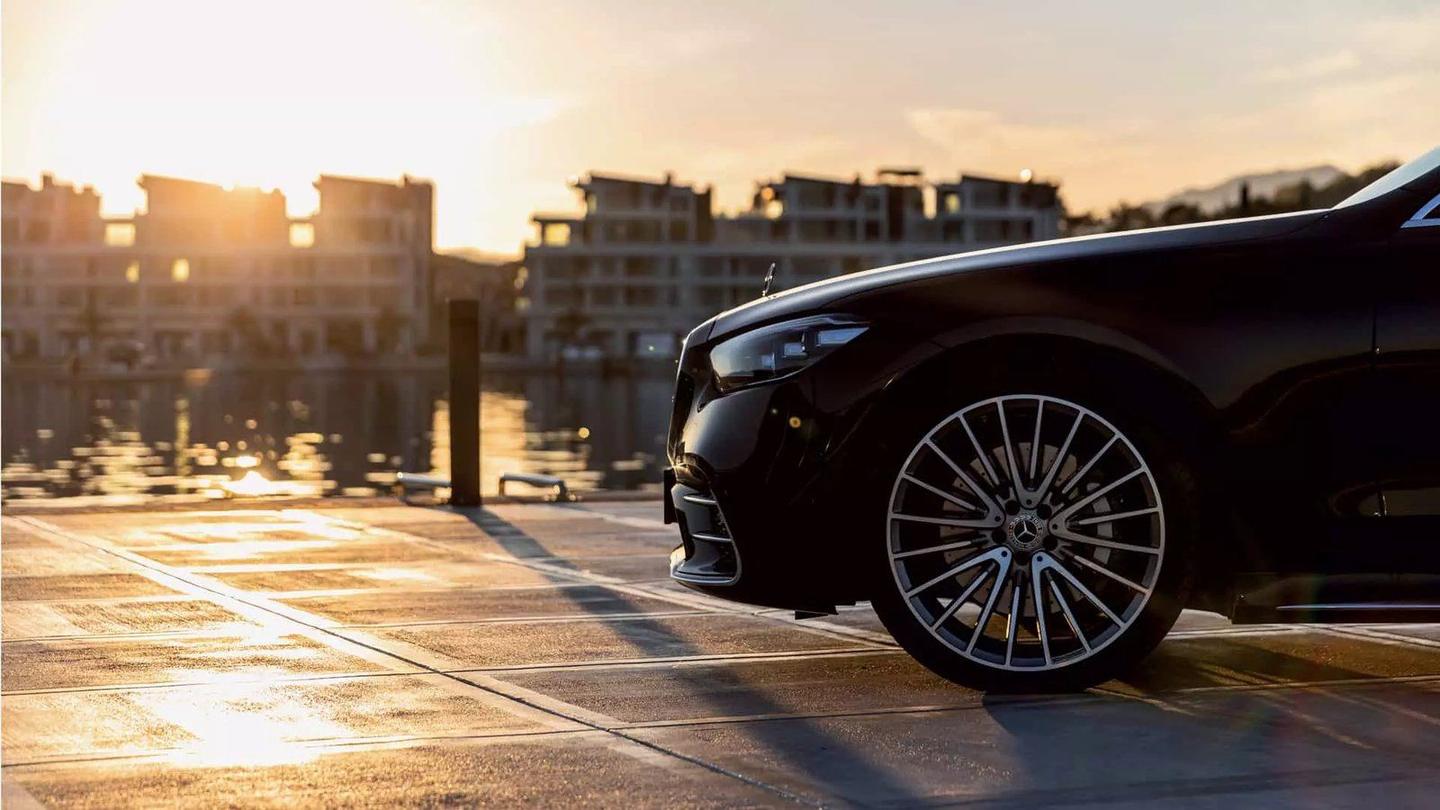
Transfers & day trips
Not everyone wants the keys. Private transfers meet you at Tivat, Podgorica, Dubrovnik or Tirana and take you door to door — and a driver-guided day gets you to Lovćen, Budva or Dubrovnik without a single wrong turn.
Transfers & TripsMarinas & resorts
Alongside the medieval towns, three new marina villages have turned the bay into one of the Adriatic's yachting capitals.
The original — superyachts, boutiques, and the Naval Heritage Collection.
Built on a former naval base, Porto Montenegro turned Tivat into the yachting capital of the Adriatic. Its berths hold some of the largest superyachts in the Mediterranean, ringed by designer boutiques, waterfront restaurants, and a lively promenade that stays busy into the night.
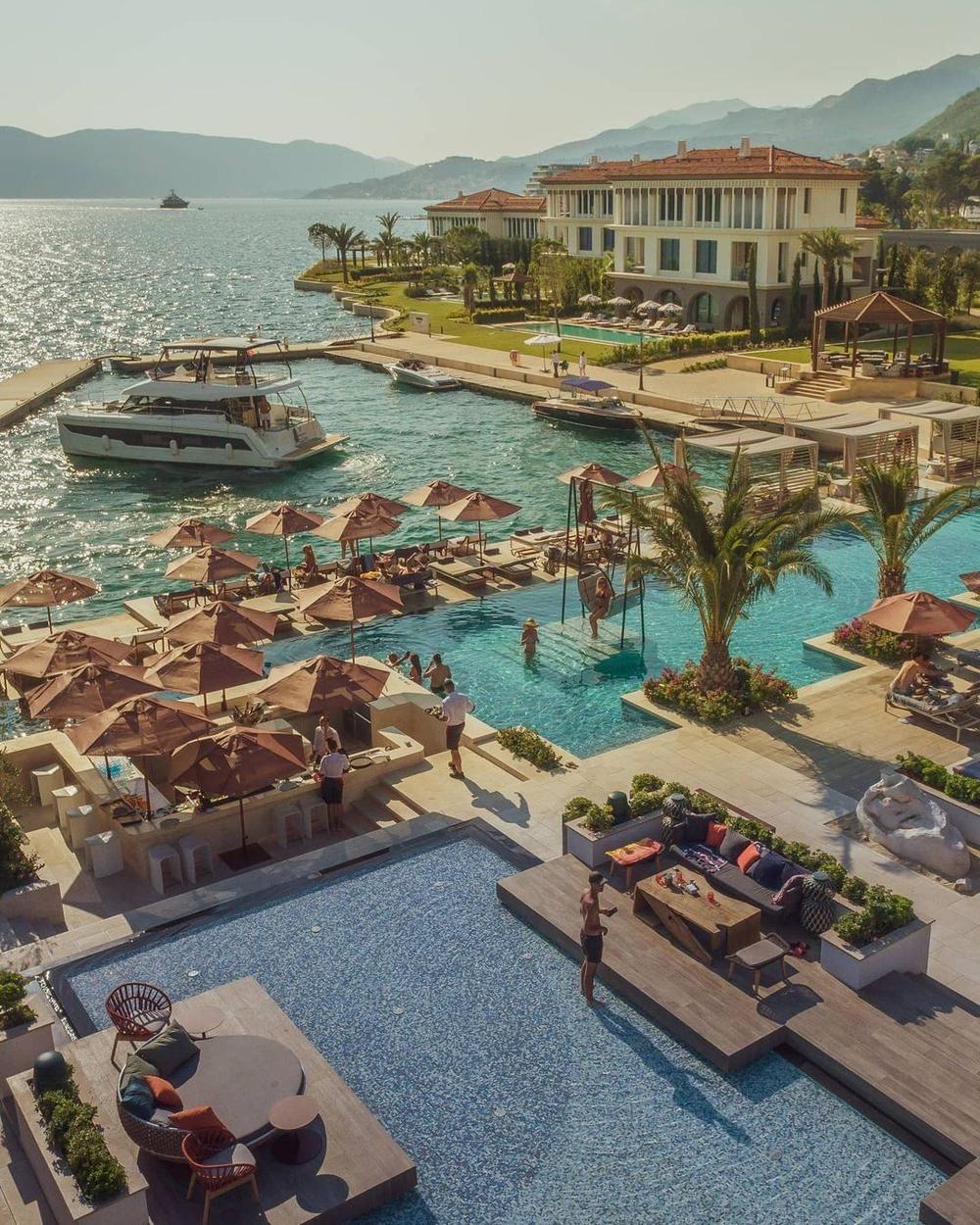
Resort village and D-Marin harbor at the sunny side of the entrance.
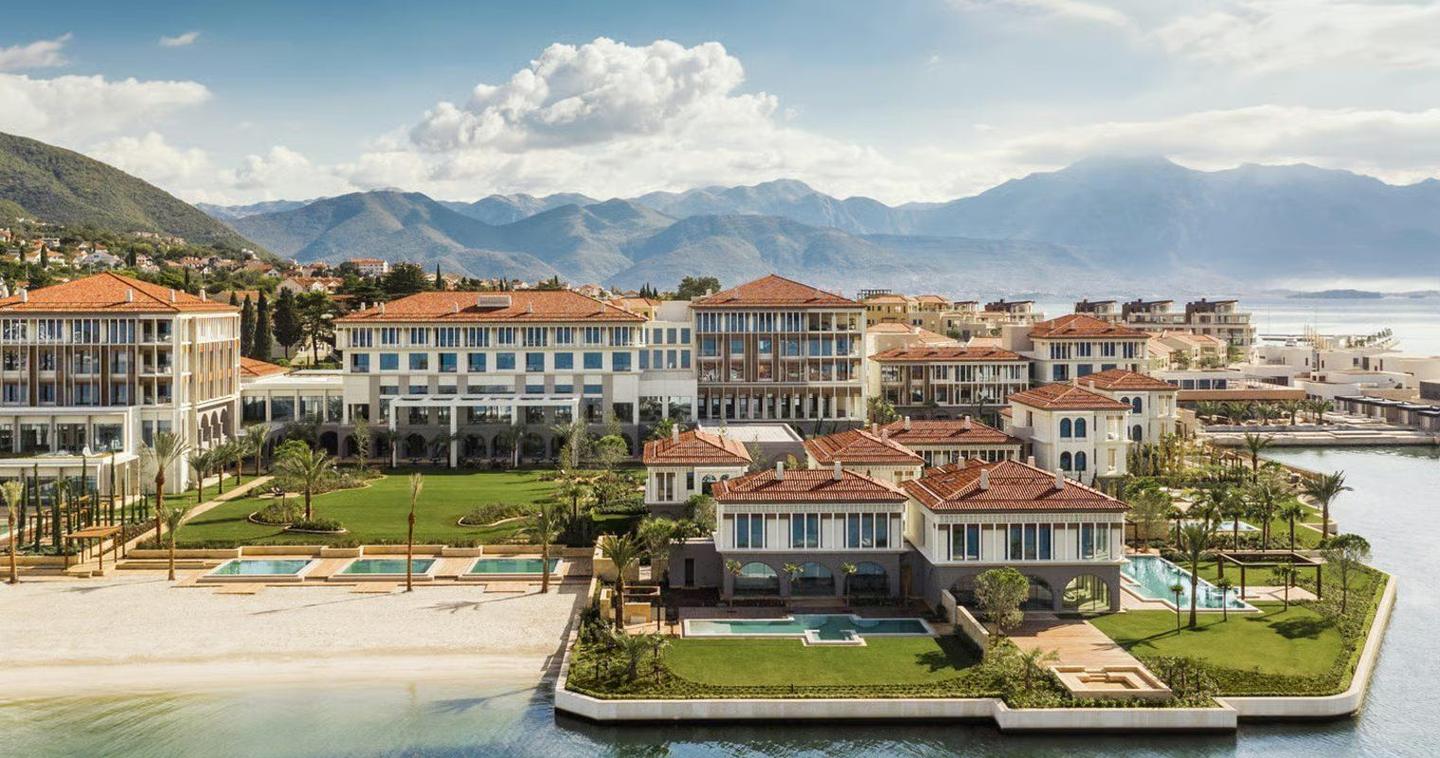
The newest of the three, Portonovi wraps a D-Marin superyacht harbour around a resort village at Kumbor — home to the first One&Only in Europe and the Espace Chenot wellness retreat. It catches the most sun of anywhere in the bay, right where the Adriatic opens up.
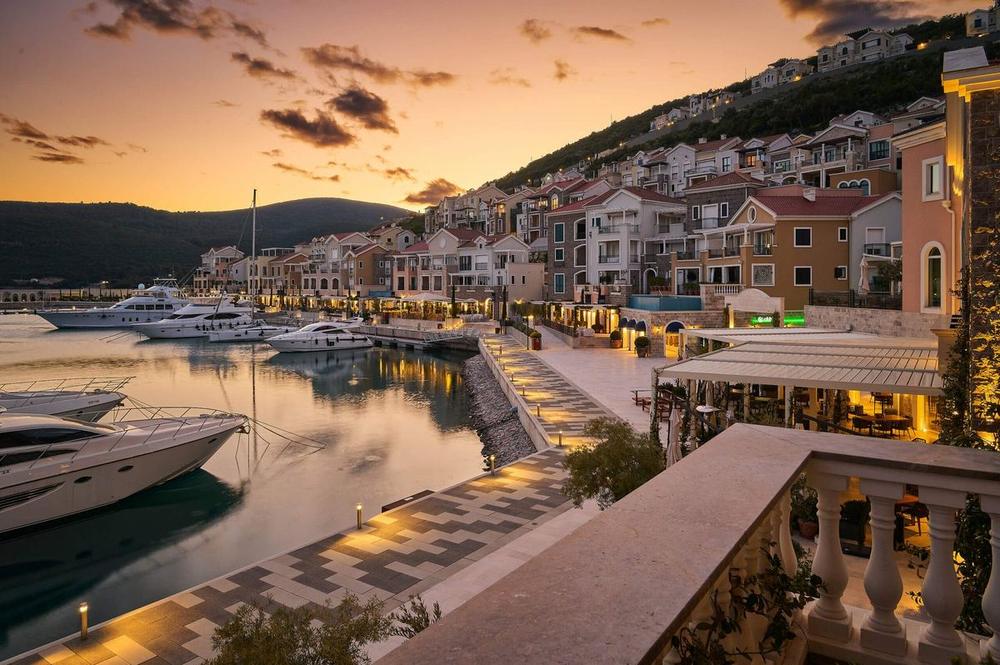
New stone town facing the open Adriatic — marina, beaches, and slow evenings.
A whole new town rising in local stone on the open-sea side of the Luštica peninsula — a marina, a Chedi hotel, a Gary Player golf course on the hills above, and quiet pebble beaches below. The pace here is slower and more residential than the other two.
Behind every one of these marinas sits a fleet — sailing yachts, motor yachts, and skippered day boats that rarely appear on any booking site. If you'd like a day on one, or a week, tell me what you have in mind and I'll find the right boat and crew.
Above the bay
The Kotor cable car climbs from the water to nearly 1,300 metres in minutes — and at the top waits a whole day out: a panoramic restaurant, an alpine coaster, and one of the fastest ziplines around.
From Dumidran near Kotor up to Kuk on the Lovćen slopes — a glass-cabin climb with the whole bay opening up beneath you. The quickest way from sea level to the mountaintop, and a sight in itself.
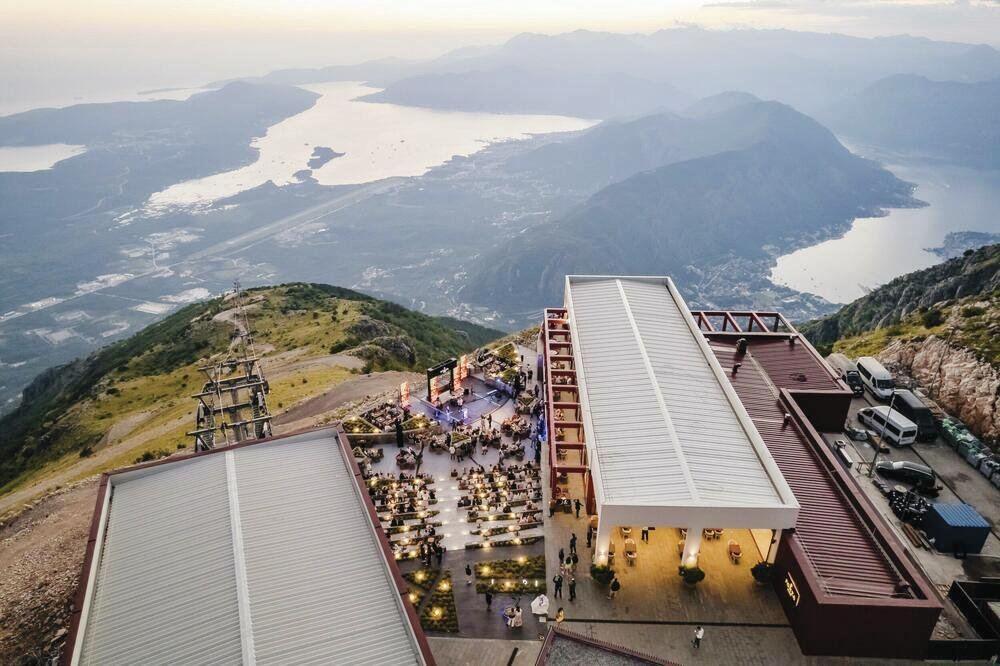
Dinner and drinks on a terrace above the clouds, with the bay glittering far below at sunset.
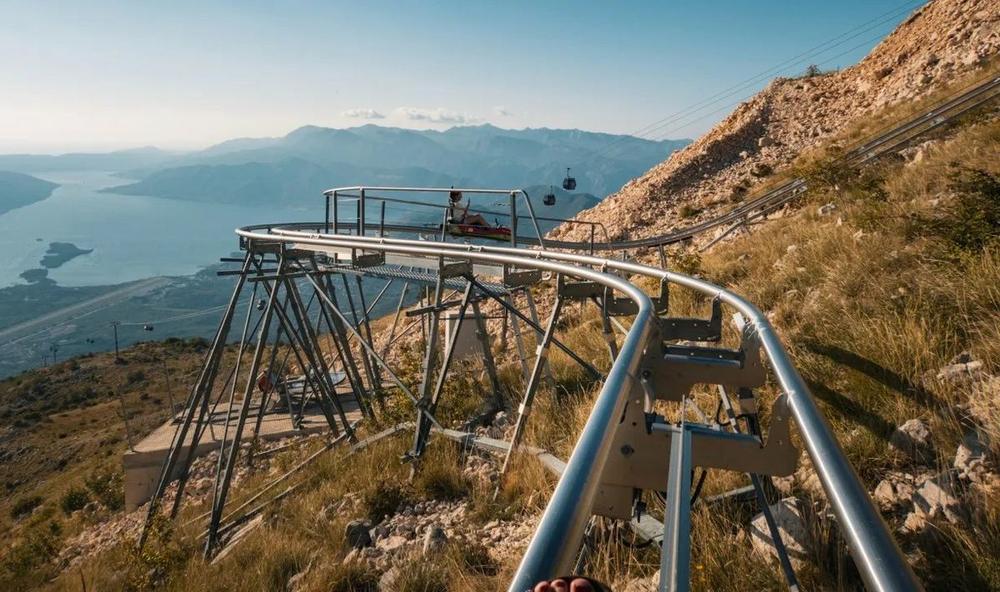
A bob-on-rails toboggan that twists down the mountainside — you control the speed, the views do the rest.
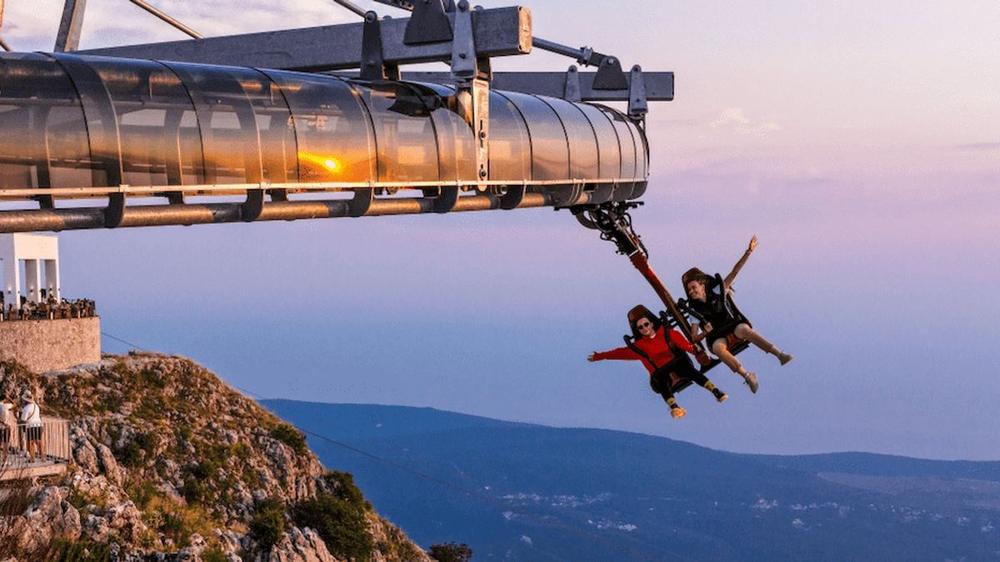
Two seats on a steel arm, swung out over open air — the ridge drops away and the whole bay rushes up to meet you.
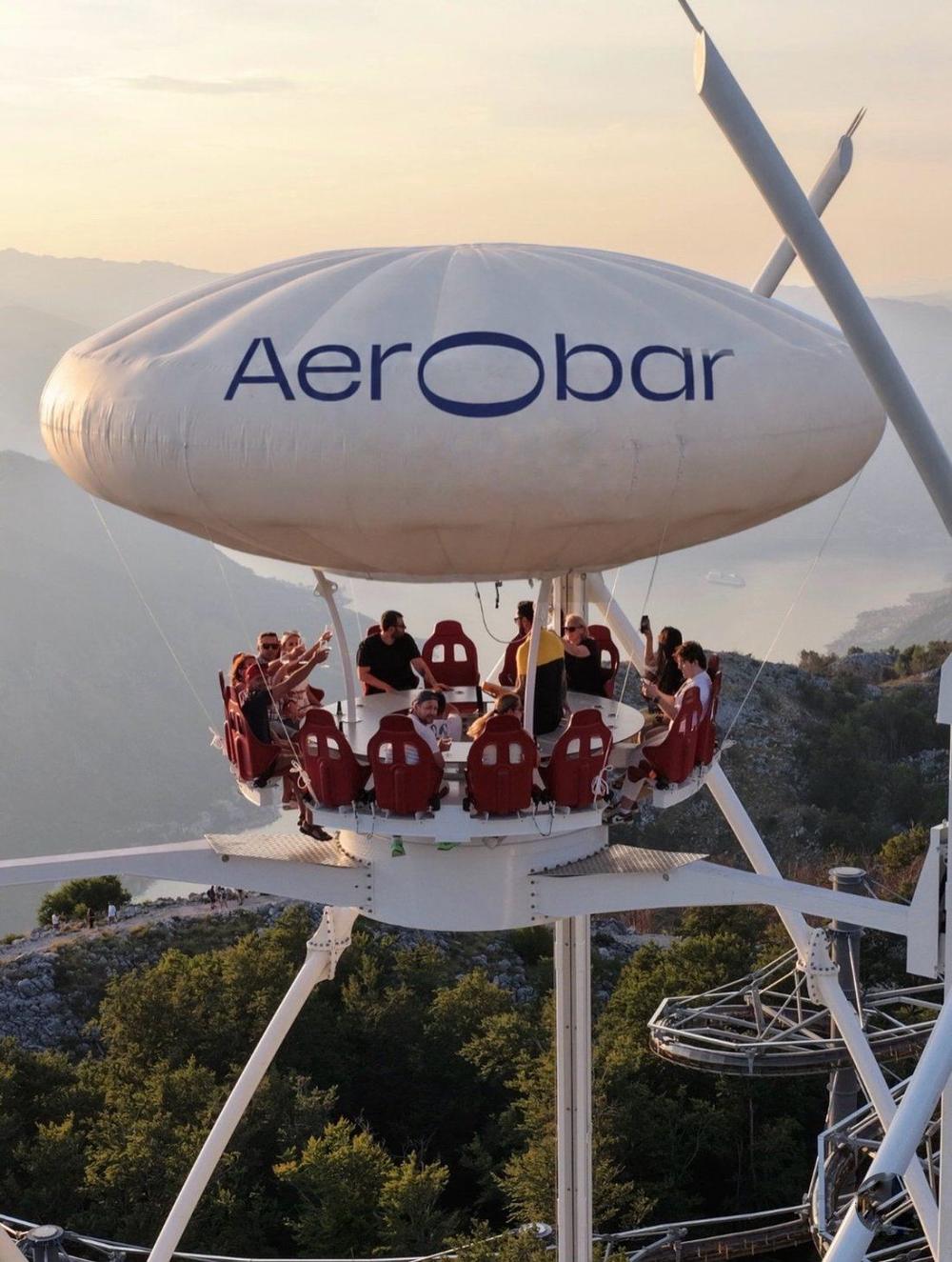
A rotating table suspended in the air a thousand metres up — drinks in hand while the whole of Boka slowly turns beneath you.
Tickets, timing, and the best order to do it all in — I can set the whole day up for you, cable car included.
Arrange a Mountain DayKnow before you go
Everything that makes the bay easy — the seasons, the shortcuts, the swimming spots, and the tables worth booking.
June and September bring warm sea and long golden evenings. July and August are lively, with everything open and boats running all day. Spring and autumn are mild, green, and wonderfully unhurried — there's no wrong time to come.
The Kamenari–Lepetane ferry runs around the clock and turns the long way into a short one. A car opens the mountains, a scooter makes the coast effortless, and a private transfer means you never think about it at all.
Montenegro uses the euro and cards work almost everywhere. English is widely spoken around the bay, tap water is excellent, and a "hvala" always earns a smile. Everything here is easier than first-time visitors expect.
Kotor's old town is beautifully car-free, with paid lots right outside the walls. Come before ten and you'll park a minute from the gate — or let me drop you at the door and skip it entirely.
The sea is clear and calm nearly everywhere. Plavi Horizonti is sandy and shallow for families, Žanjic and Mirište are pebbled and pristine, and the best coves — Rt Veslo, Sveti Marko — are a short boat ride away.
Grilled fish on a stone terrace in Perast, the day's catch in the tiny harbour at Rose, konoba courtyards inside Kotor's walls, and polished marina dining at Porto Montenegro. Tell me the mood and I'll book the table.
Start planning
Pick your stops, book the boat, sort the wheels — and leave room for the parts no guide can plan. Whatever you choose, I arrange it personally.